What is Breast LipoLift®
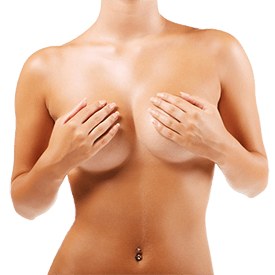
Breast LipoLift® is a breast lifting technique that uses liposuction to precisely reshape, lift, and reduce the breasts. Breast LipoLift® was developed when a young woman with a connective tissues disorder called Ehlers-Danlos wanted to lift and improve the asymmetry and look of her breasts.
Ehlers-Danlos Syndrome is generally characterized by hyper-mobile joints and skin that stretch further than normal, and tissue that is more fragile than the average person due to the faulty production of collagen.
People with Ehlers-Danlos can have Plastic Surgery, but they are at higher risk for complications. Due to Dr Schwartz’s immense interest in patient safety and education, he decided to perform a Liposuction Breast Lift.
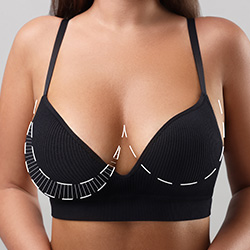
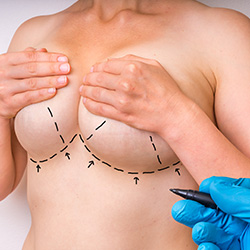
During the procedure he would remove more tissue from one side to correct the size asymmetry, which was accurately measured with a Vectra 3D imaging system. Once the breasts were precisely reduced and symmetrical, Dr. Schwartz then completed the lift using a conservative technique without drains.
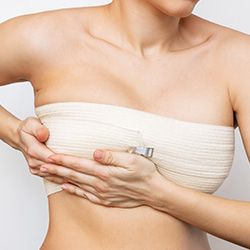
Her post-operative experience and healing was faster than usually and pain was almost non-existent. In fact, it went so well that she decided to write about it on blogs and other social media to let other women know there is a better way to get their results. Once that happened more and more women came in for the procedure and the Breast LipoLift® was created.
6.4%
Overall complication rate
2-3 Days
Recovery Time
0%
Nipple necrosis cases

Out-patient
Procedure Recovery Location
Breast LipoLift® vs. Traditional Breast Surgery
The differences in techniques between traditional breast reductions or lifts vs LipoLift® are what make all of the difference.
Traditional Breast Reduction
During a traditional breast reduction or lift, the breast is opened and the tissue is cut out in order to reduce the size. If there is asymmetry it is cut out and then weighed after the fact to see if the breasts are symmetrical or not. This is done sometimes without precise measurements and by sitting the patient up during surgery to check.
Most of these procedures In the United States are done by an inferior pedicle. The pedicle is the tissue left behind that the nipple and areola are attached to for vascular (blood) and nerve supply. The advantage of an inferior pedicle is that it allows for a lot of tissue to be removed and is also technically an easier procedure to perform.
The problem with an inferior pedicle is that it removes tissue from the top of the breast which is where most women want to maintain for “cleavage”. The second most common procedure is a superior-medial pedicle. The advantage of this procedure is that the tissue left behind has some of the best blood supply.
The problem with this procedure is that you have to rotate the nipple and areola into a higher position which is often very difficult. Also the best nerve supply for the breast comes from laterally (near the armpit) which is a lot of the tissue removed.
The other issue with most breast reduction procedures is that there is always a risk for losing nipple sensation as well as blood supply to the nipple which could lead to the loss of nipple altogether.
Peer-reviewed articles in the Journal of Plastic and Reconstructive Surgery that looked at complication rates from breast reduction showed:
- Overall Complication rate: 45%
- Delayed Healing: 21.6%
- Spitting Sutures: 9.2%
- Nipple Necrosis: 3.9%
- Nipple Sensation loss: 11-35%
Overall, the numbers show that although breast reduction is one of the most performed in the US (over 200,000 a year), there is a very large possibility of complications. This is mainly due to the fact that by cutting out tissue there is also blood supply and nerve supply being cut.
Dr. Schwartz’s Breast LipoLift®
Dr. Schwartz had been using liposuction in all other parts of the body as part of his lifting procedures (Arm, Thigh, Abdomen, Back, Lower and Upper Body etc). He had found that by using liposuction to remove the internal tissue and then just remove the excess skin that his patients got better contouring, faster recovery and fewer complications. This is due to the fact that liposuction removes fat while selectively leaving behind nerves, blood vessels and lymphatic vessels. This is especially important in patients with lipedema that need “diseased” fat removed with lymphatic sparing techniques.
When looking at Dr. Schwartz’s Breast LipoLift® Outcomes:
- Overall Complication Rate: 6.4%
- Nipple Necrosis: 0%
- Loss of Nipple Sensation (If Sensation Prior to Surgery): 0%
- GAINED Nipple Sensation (If Insensate or Decreased Prior to Surgery: 35.5%
- Full or Hypersensitivity: 22.5%
- Partial: 13%
Most common complaint after surgery: NIPPLE HYPERSENSITIVITY
Breast LipoLift® attempts to follow well-studied principles of sparing nerves, blood and lymphatics to the breast.
Why Choose Breast LipoLift®
Sculpts — doesn't cut
Tissue left where you want it
Symmetry by design
Nipple sensation preserved
No drains, gentler anesthesia
Customizable for any goal
Schwartz Rapid Recuperation™
TIVA Anesthesia
No surgical drains
Tylenol and Advil only
Awake option available
Schwartz Scar Secure™
That research informed the development of a proprietary protocol designed to minimize and prevent poorly healed scars — applied to every Breast LipoLift® patient as part of their post-operative care.
Schwartz Scar Secure™
Patient Stories
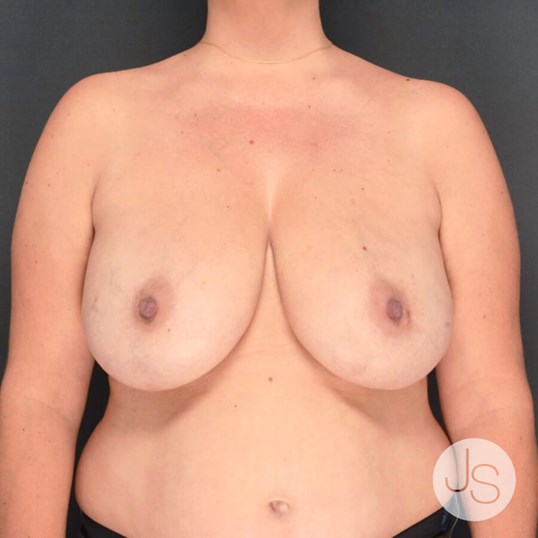
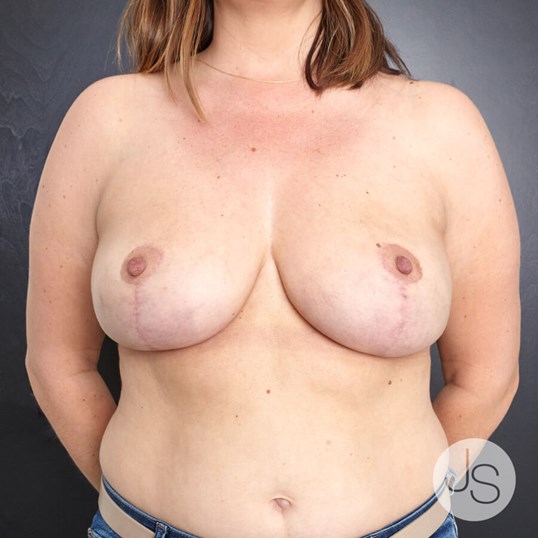
Breast LipoLift® Transformations
Explore our gallery of real Breast LipoLift® before-and-after results. See for yourself the transformative, natural-looking outcomes Dr. Schwartz has achieved for women of different starting shapes and sizes.
Breast LipoLift® FAQs
Is LipoLift® a lift or a reduction?
Are drains needed after surgery?
What kind of anesthesia is used?
Dr. Schwartz uses TIVA — Total Intravenous Anesthesia. This avoids anesthetic gases and breathing tubes, and is associated with significantly less nausea and vomiting. For appropriate patients, the procedure can also be performed awake with local anesthesia.
Will I lose nipple sensation?
Dr. Schwartz's published outcomes show a 0% rate of nipple sensation loss among patients who had sensation prior to surgery. In fact, 35.5% of patients who had reduced or absent sensation before surgery gained sensation following LipoLift® — an outcome not typically associated with traditional reductions.
Am I a candidate if I have Ehlers-Danlos or a similar condition?
How does scarring compare to traditional surgery?
Because tissue is removed via liposuction rather than open excision, incisions are substantially smaller. Dr. Schwartz has also published extensively on wound healing and developed the Schwartz Scar Secure™ protocol — a dedicated approach to minimizing and managing post-surgical scars.

Begin your personalized consultation
Every Breast LipoLift® begins with a thorough consultation where Dr. Schwartz reviews your goals, anatomy, and medical history to build a custom surgical plan.